Raising Monarchs
August 26, 2008
 |
 |
 |
 |
 |
 |
 |
 |
 |
 |
 |
 |
 |
 |
 |
|
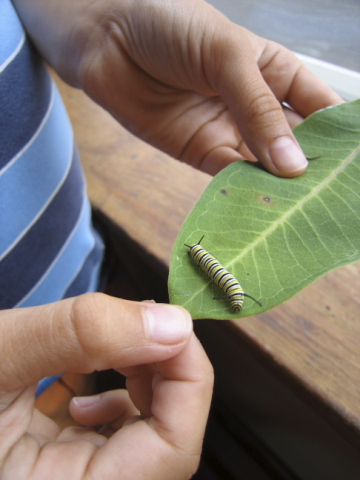
Every late summer the kids and I raise monarch larvae (caterpillars) into butterflies.
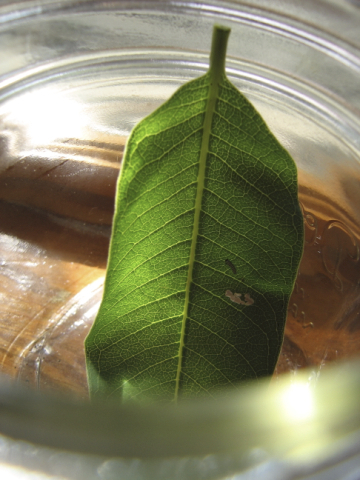
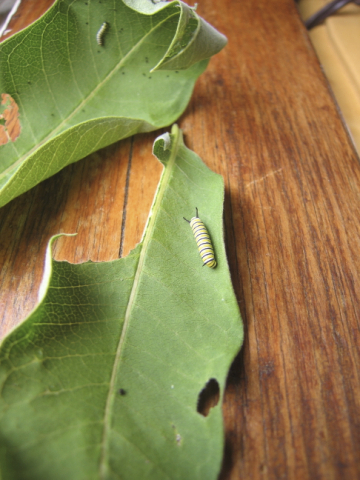
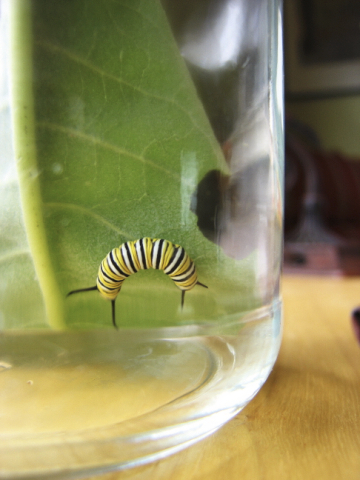
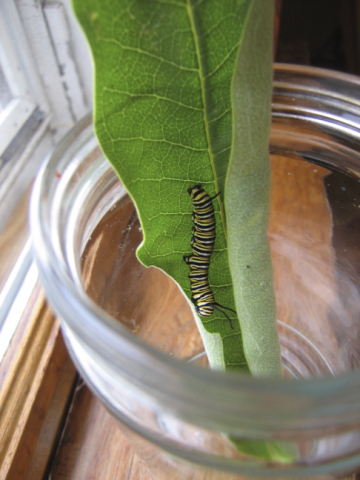
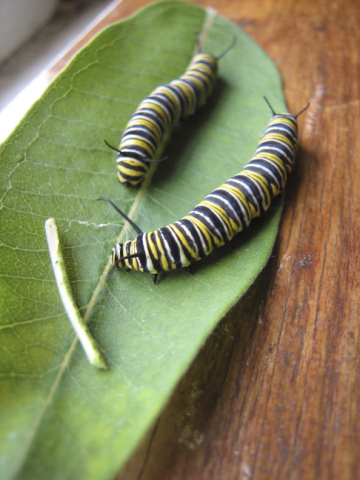
Monarch larvae eat only milkweed so if it's a good monarch year they are easy to find and easy to feed. We find them as minute eggs or fingernail sized caterpillars at the farm and house them in reused jars with holes in the lid or Mason jars with cheesecloth. By keeping a stalk of milkweed in water we are able to feed them fresh food even though we don't have any milkweed on our city lot.
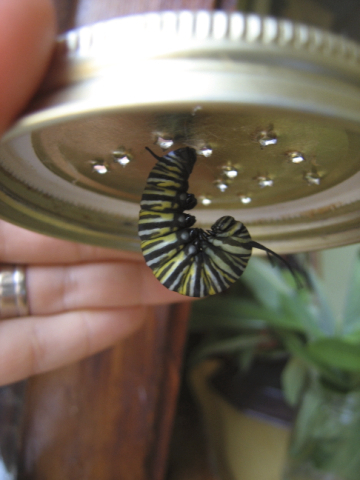
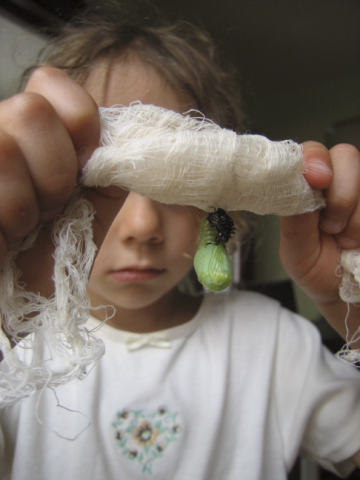
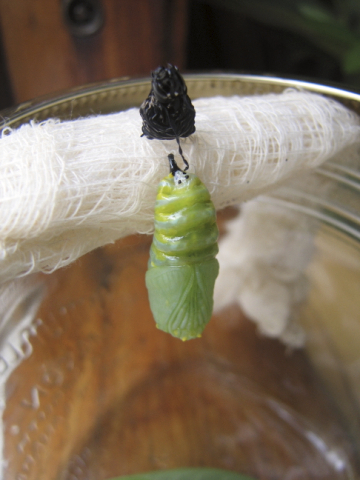
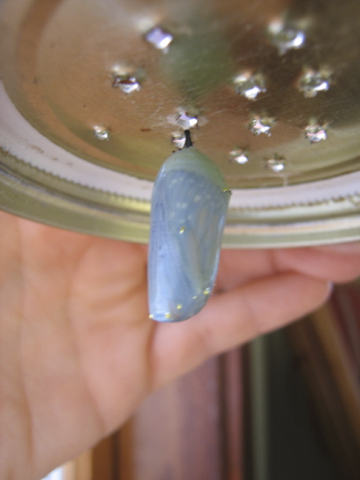
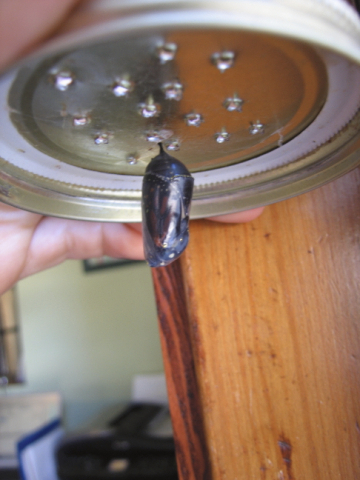
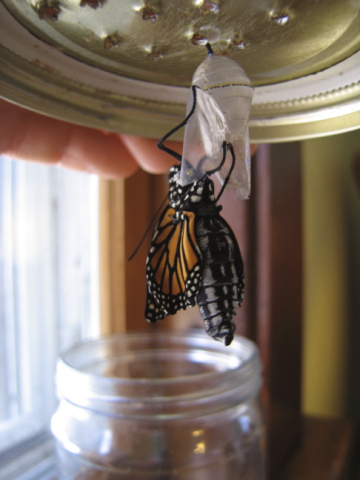
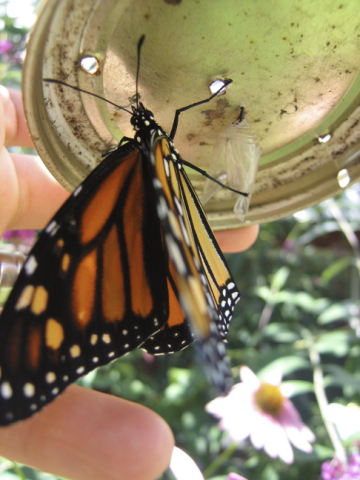
Laurent has the job of cleaning their "cages" each day, adding fresh leaves and dumping their poop. A newly hatched monarch caterpillar takes about 14 days to grow to maturity. At which time it will find a spot to hang in a J shape and proceed to change into a gorgeous gem colored chrysalis (or pupa). After another 14 days a beautiful monarch butterfly emerges.
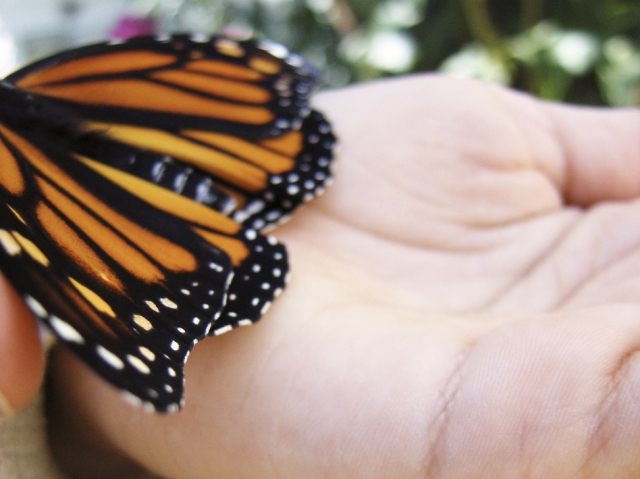
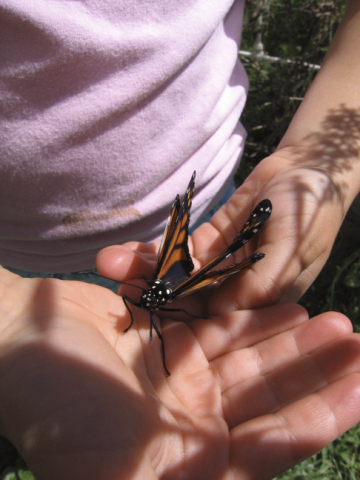
It takes a few hours for the butterfly's wings to enlarge and to gain its ability to fly. During that time they are very easy to hold (gently please) and study up close. For further monarch study last year we participated in Monarch Watch through our local library. The kids and I tagged monarchs and sent that data to Monarch Watch to aid in their research and conservation efforts.
This is one of our favorite science activities and has inspired study on life cycles, botany, geography and migration, Mexican culture, beautiful art projects and much more.
Monarch books, if you decide to study this yourself.