Show and Share Supper
May 17, 2013
My children live in the world of fantasy; the world of Middle Earth and Araluen. They walk the land of wizards, orcs, kobolds, and rangers. They strategize in the worlds of Neverwinter Nights 2, Baldur's Gate, and Pathfinder.
They speak the language of bestiaries, hit points, and armor class. They build with cobblestone, redstone, and sticky pistons. And they write stories, characters and plots; draw pictures and make art, about these worlds.
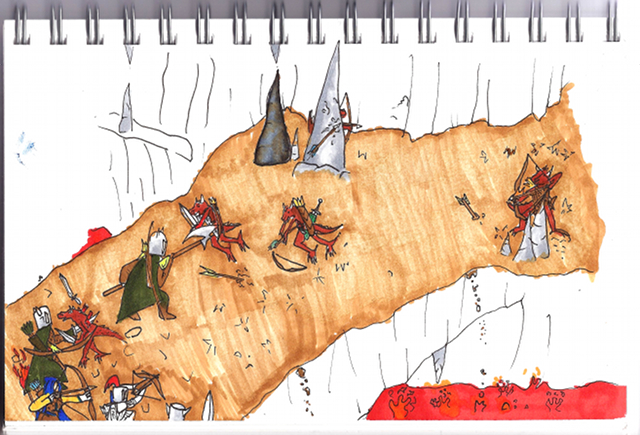
My children have active, vivid and fantasy-world driven imaginations.
And so I spend my days learning about things that don't exist, being told of campaigns and characters. I have started gaming myself so I can understand a bit of this world that fascinates them so much. This world that captures their imagination and takes them places I have never been and that frankly, don't exist.
For the most part, this is all fine and dandy. We don't limit our kids interests to the things we parents know and love. In which case my kids would be little clones of me and we'd all talk about beauty and nature, homeschooling, and blogging. Or little clones of Damien, talking about shoes, science, and technology.
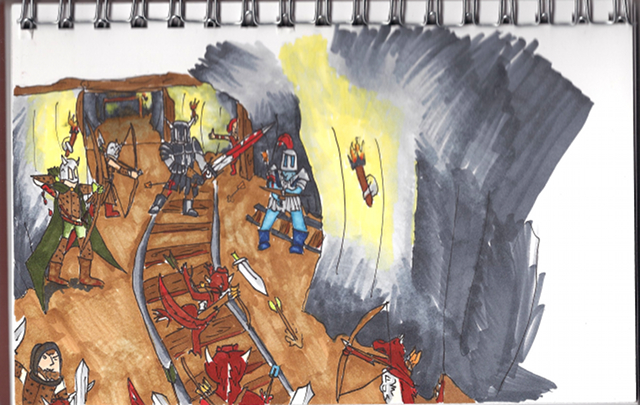
We like being individuals sharing a loving and supportive family life. And we support our children's fantasy interests; Céline's whole curriculum right now is about building a fantasy world and game. We are totally behind our kids, but there is a limit, and we reached it.
Our supper time fantasy table talk was becoming tedious. It was time to re-engage with the "real world".
Supper is a key coming together point in our day. It's funny, we share our living space all day, but we're busy - with school, play and work. Things happen in our day that we don't have the time or energy to share until we sit down to eat a meal.
Increasingly our supper meal was being taken over by the fantasy realm my children live in. Damien and I were starting to wonder, "have our children experienced anything from the real world today?"
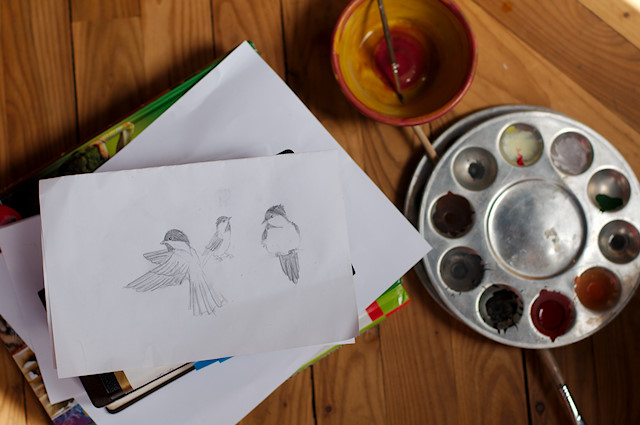
Of course they had, they just weren't coming to the table ready to share that. They were defaulting to what came easily and naturally - their fantasy interests.
But as fascinating as fantasy is to our children, it isn't always so fascinating to us and we didn't want to spend our supper living in another world. So we instituted "real world" supper conversations. Specifically show and share supper (I just made that phrase up right now).
Since kiboshing the fantasy talk at the supper table we had to give our children something to fill the void. They wondered, "if we can't talk about our characters, our hit points, or the beasts we slayed today, what can we talk about?" (I know, what else is there?!)
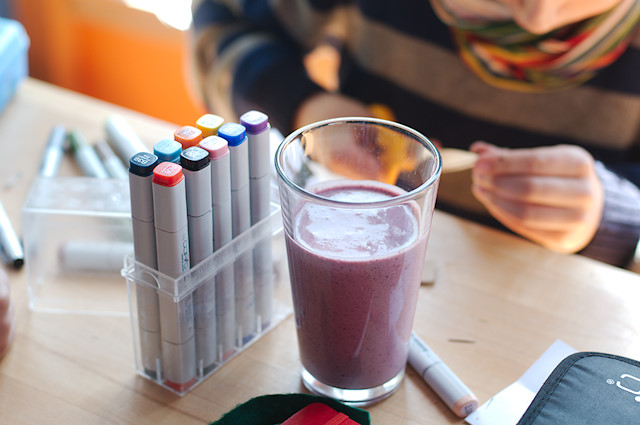
Here's what we told them, "come to the table with something you learned today."
You know the classic, "what did you learn at school today son?" To which the son replies, "nothing".
That's kind of what show and share supper is about, but "nothing" is a no-go response of course.
We all participate and the only rules for what you share are that 1) it has to be based in reality and 2) should be something that other people can relate to.
We're all very unique individuals with diverse interests. We need to keep our audience in mind when bringing something to the table. Damien is learning things all the time that are way over the kids heads and I am learning things all the time that no one cares about (blogging related things for example). We try to share something that other people can relate to. This is actually an important social skill.
Show and share supper has been interesting. We're sharing things we've learned that day, or recently, about history, science, nature, art, language, and more.
The younger two are actively looking throughout the day for something to add to the conversation. They're serious about this. And they are expanding their horizons a bit beyond their fantasy pre-occupation. Céline usually brings something to the table from her self-directed studies that day.

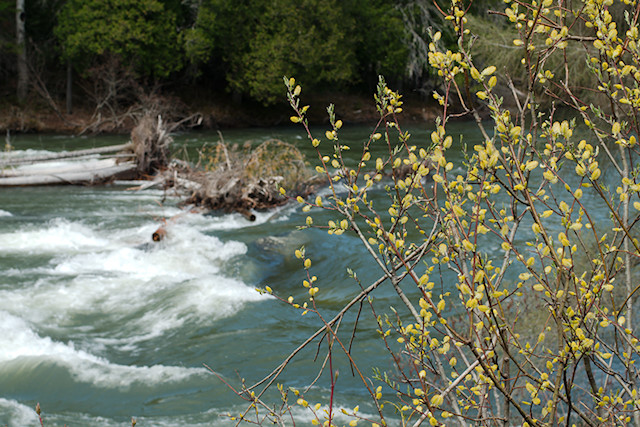
Recently, for show and share supper Brienne gave us a mini-presentation on coltsfoot (an easily identifiable spring herb) and I talked about Harlequin ducks. (Did you know their summer habitat is turbulent mountain streams and where we live on the Gaspe peninsula is one of the few eastern regions you'll find them in summer? I saw a mated pair on my morning run.)
Céline shared her insights and enthusiasm for medieval Japanese puppetry (part of her research for the fantasy world she's building) and Laurent gave a presentation on the manufacturing of electric cars (summarizing what he'd learned in a Nature of Things episode).
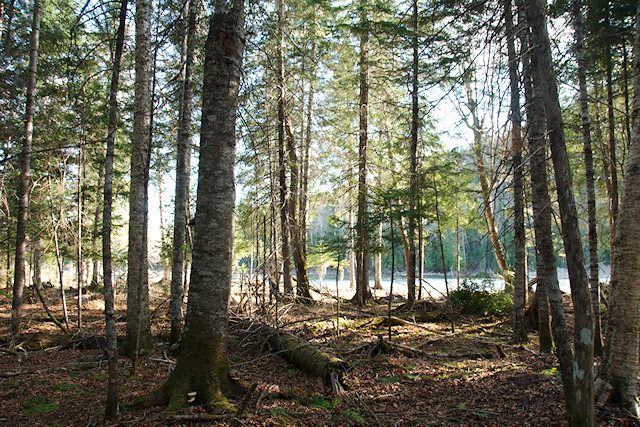
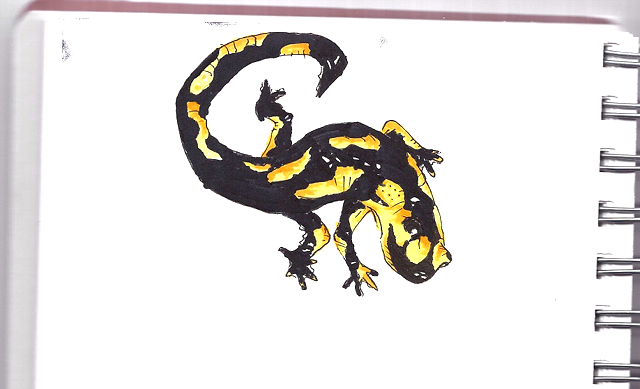
Just the other night, the discussion was all things salamanders, inspired by an afternoon of science. (This is a fabulous documentary by the way. Highly recommend.)
Out came the books and the iPads, complete with creepy photos of amphibians bigger than your dog (gives me the weeby-geebies).
You'd be amazed the amount of "school" that is covered in these discussions. And what is especially fun for me is when my kids come to the table with something I did not teach or facilitate. Laurent giving a presentation on electric cars for example, leading into a post-supper conversation about photosynthesis. Brienne, I found out, hadn't learned about this yet so Wednesday night at 8:30 pm was good a time as any.
Some people wonder, "what does interest-led learning look like?"
In our home, interest-led learning looks like letting our kids live in a fantasy world. And then pulling them out from that world now and again to share what they know from the real world.
It looks like learning to give oral presentations and reading poetry around the supper table, fielding questions from family.
It looks like everyone bringing something to the table, because they want to, because it interests or intrigues them. And it looks like spin-off discussions in new and interesting directions based on what you've just found out.
It's not that complicated, it's quite simple really. As simple as a show and share supper.